

If the French braid is the classic older sibling, the Dutch braid is the bolder, more dimensional version that always seems to catch people’s attention. Instead of sitting flat against the head, Dutch braids sit right on top, creating a raised, three dimensional pattern that looks a little more dramatic without requiring much extra skill. Once you get comfortable with the basic technique, this style opens up so many possibilities for everyday wear and special occasions alike.
This post is going to walk you through 21 Dutch braid hairstyles, ranging from the simplest version to more detailed takes worth saving for when you have a little extra time.
Why the Dutch Braid Stands Out from Other Braided Styles
The Dutch braid works using the same basic pattern as a French braid, but with one key difference. Instead of crossing sections over each other, you cross them underneath, which is what creates that raised, more visible effect. This makes the braid pattern much more noticeable, especially on textured or thicker hair, and gives the entire style a bit more presence compared to a flatter braid.
Tips for a Dutch Braid That Turns Out Perfectly
A few small techniques can help your Dutch braid look neat and hold up well throughout the day.
- Start with detangled hair and keep sections even for a balanced, symmetrical braid.
- Cross sections underneath rather than over to create the signature raised effect.
- Keep consistent tension throughout so the braid does not look loose in some areas and tight in others.
- Use a texturizing spray beforehand for extra grip, especially on smoother hair types.
- Secure the end with a strong, small elastic to prevent unraveling during the day.
Now let’s get into the styles themselves.
1. Classic Single Dutch Braid
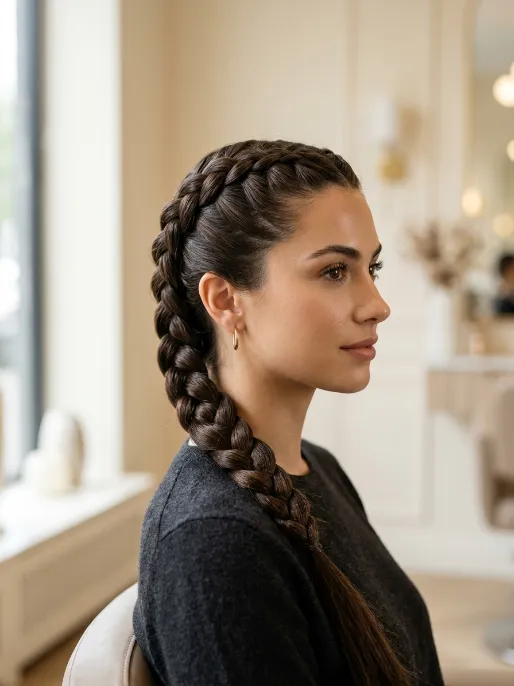
A single braid down the center of the head is the simplest place to start and a great way to practice the basic underneath crossing technique.
2. Double Dutch Braids
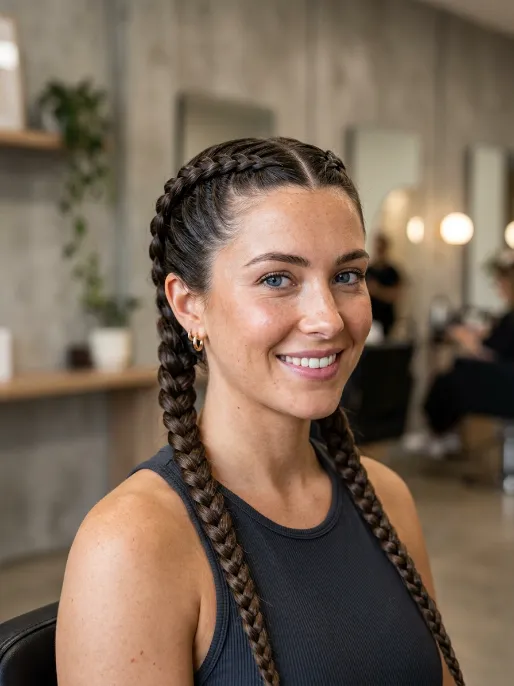
Two braids running down either side of the head create a symmetrical, secure look that holds up especially well through active days.
3. Dutch Braid Ponytail
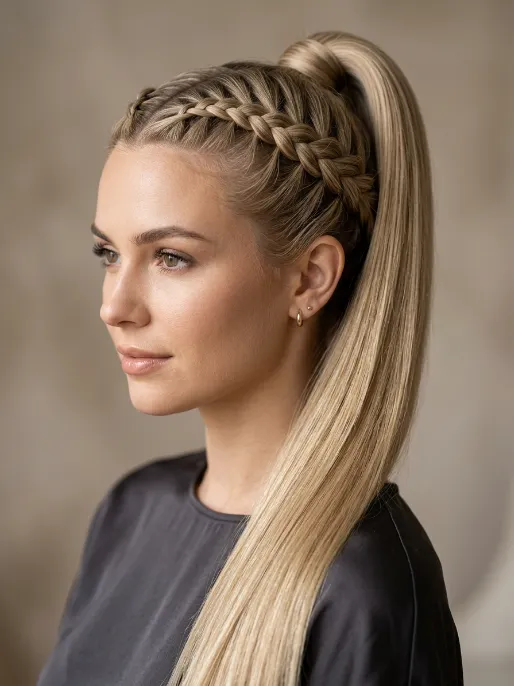
The braid starts at the crown and transitions into a ponytail partway down, combining structure at the top with movement below.
4. Dutch Fishtail Combo
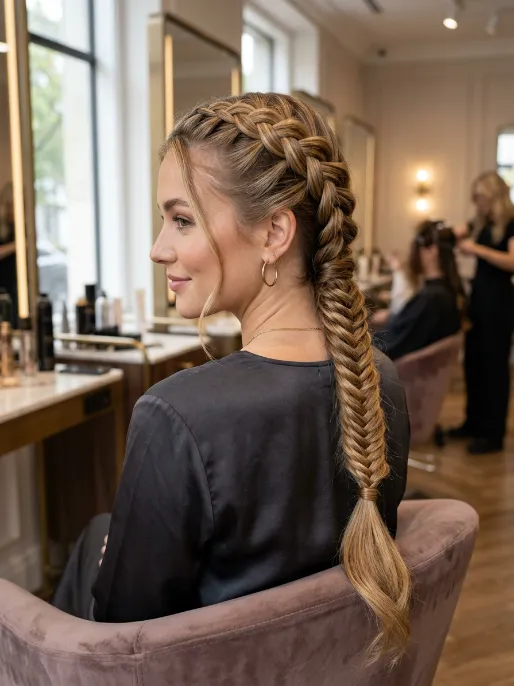
Starting with a Dutch braid and switching to a fishtail pattern partway through adds extra texture and visual interest.
5. Half Up Dutch Braid
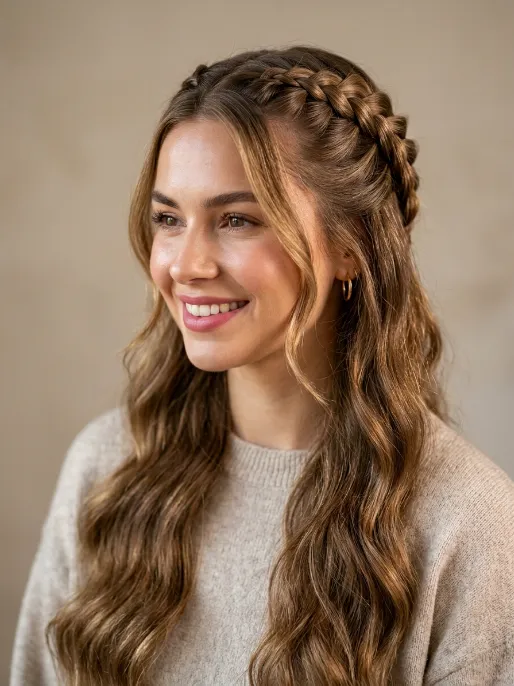
Only the top section of hair is braided while the rest is left down, blending structure with plenty of length underneath.
6. Dutch Braid Bun
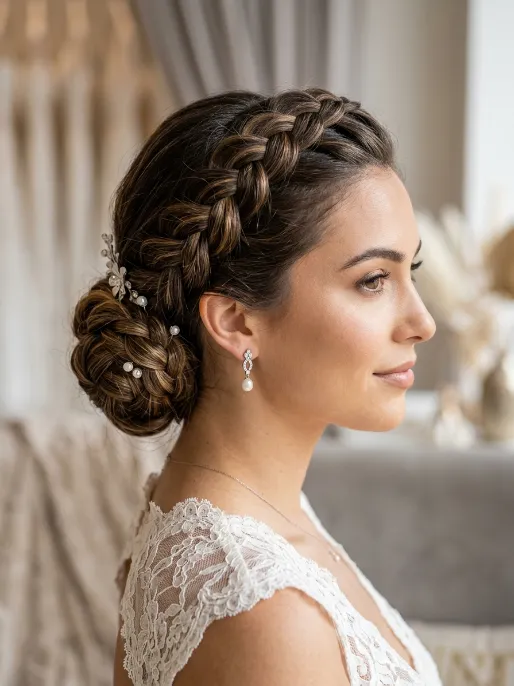
The braid is worked into a bun at the end, creating a polished updo with a bit of raised texture near the crown.
7. Dutch Braid Crown
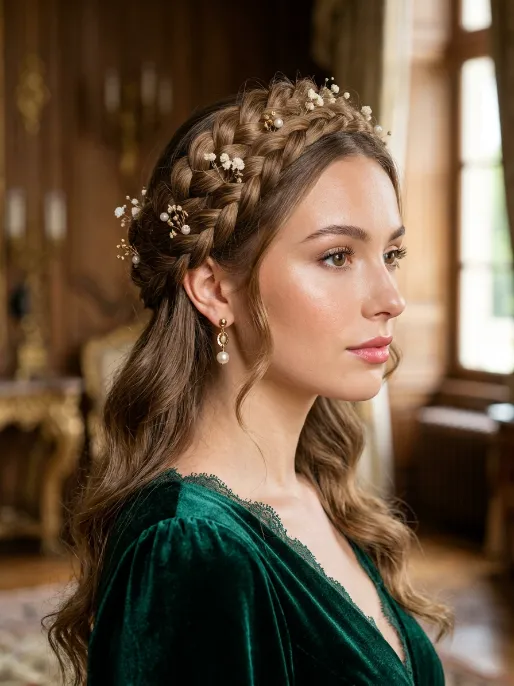
Wrapped around the top of the head, this version creates an elegant, almost accessory like finished look.
8. Loose Boho Dutch Braid
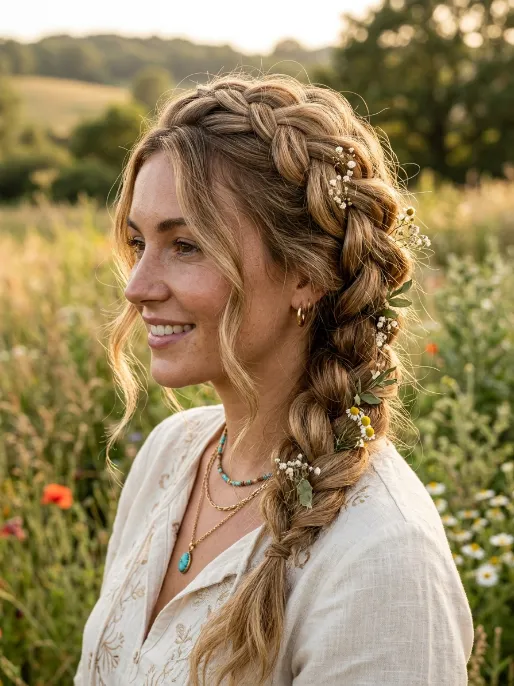
Gently pulled apart once finished, this relaxed take has a soft, effortless quality that suits outdoor occasions well.
9. Dutch Braided Pigtails
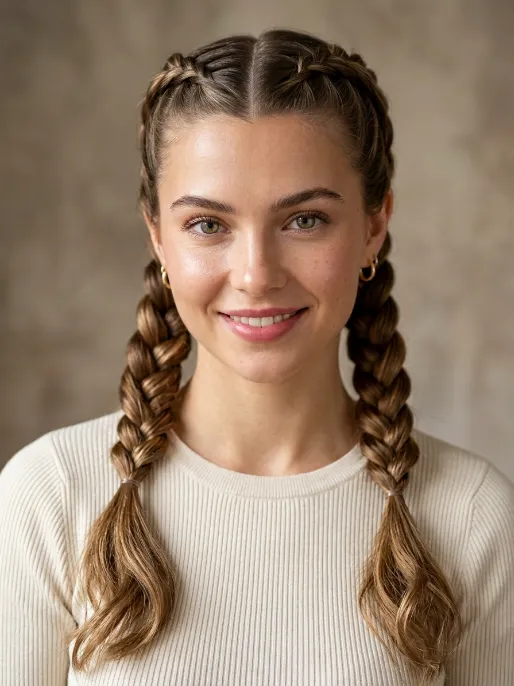
Two smaller Dutch braids on either side of the head bring a playful, youthful energy perfect for casual days.
10. Dutch Braid with Curled Ends

The braided top section is paired with curled length below, adding extra polish and movement.
11. Sleek Dutch Braid
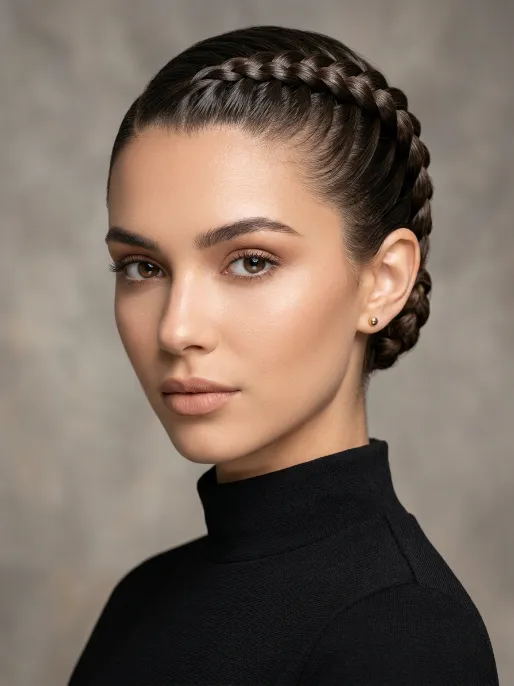
Smoothing every section completely with gel before braiding creates a clean, structured, editorial finish.
12. Dutch Braid with Bangs Left Out

If you have bangs, leaving them loose while braiding the rest of your hair softens the entire look and frames the face nicely.
13. Dutch Braid with Beads
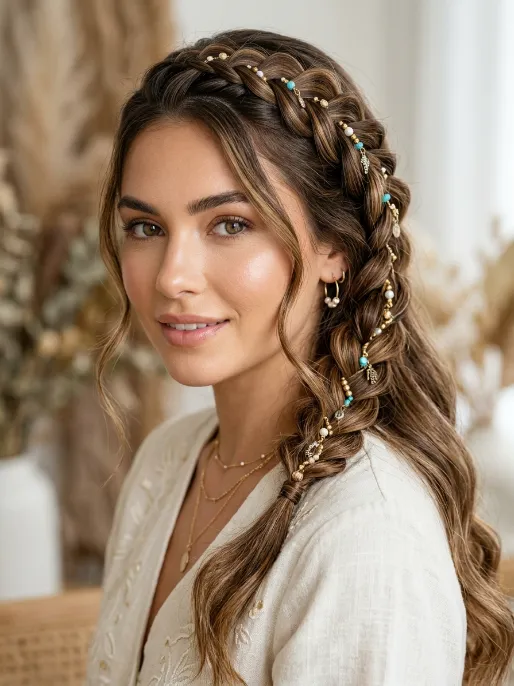
Threading small beads into sections as you braid adds a personalized, playful detail that stands out beautifully.
14. Reverse Dutch Braid into Ponytail
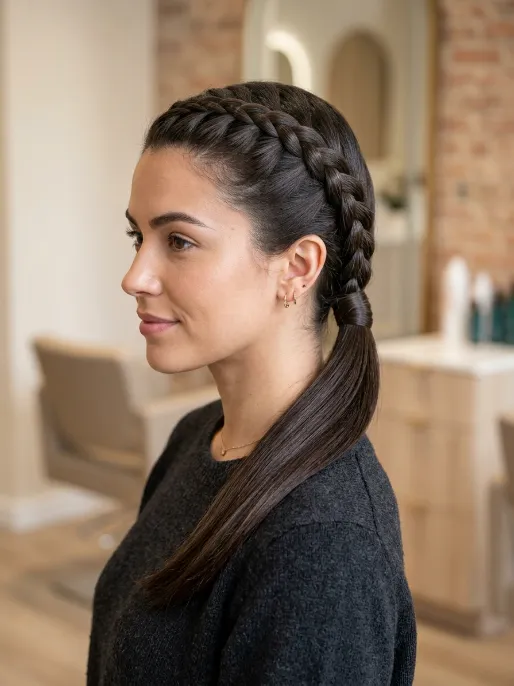
The raised braid transitions smoothly into a low ponytail, combining texture and simplicity in one style.
15. Dutch Braid Space Buns
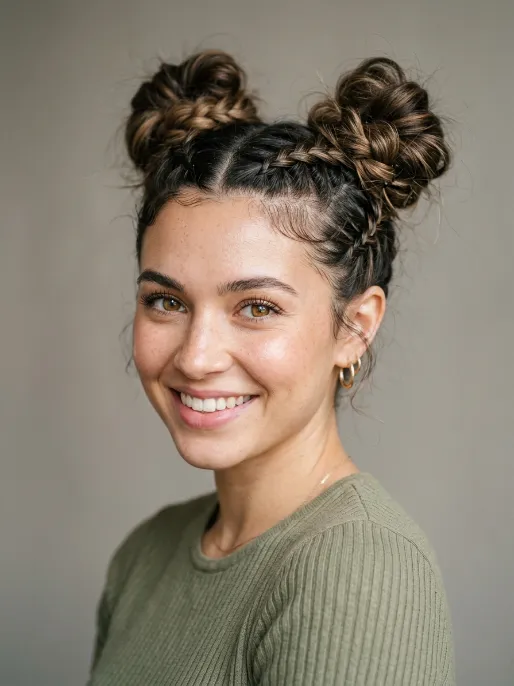
The top sections are Dutch braided before being twisted into small buns, combining two popular styles into one detailed look.
16. Dutch Braid with Ribbon Wrap
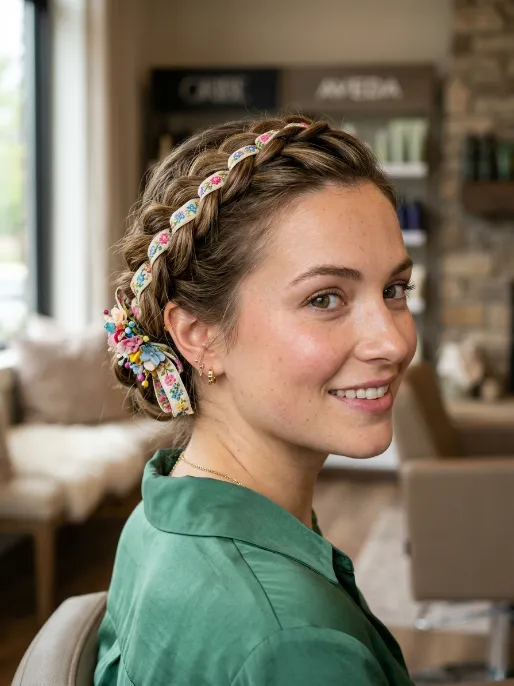
Weaving a thin ribbon through the braid as you go adds color and a handmade, personalized touch.
17. Double Dutch into Low Bun
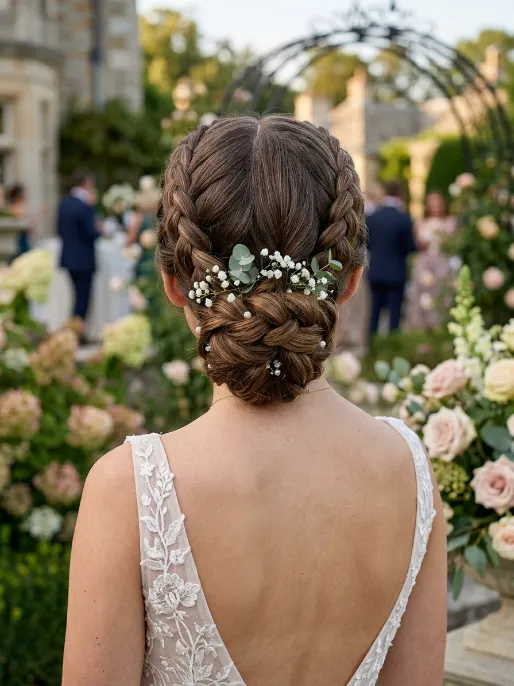
Two Dutch braids merge into a single low bun at the back, creating a detailed yet still practical updo.
18. Dutch Braid with Face Framing Curls
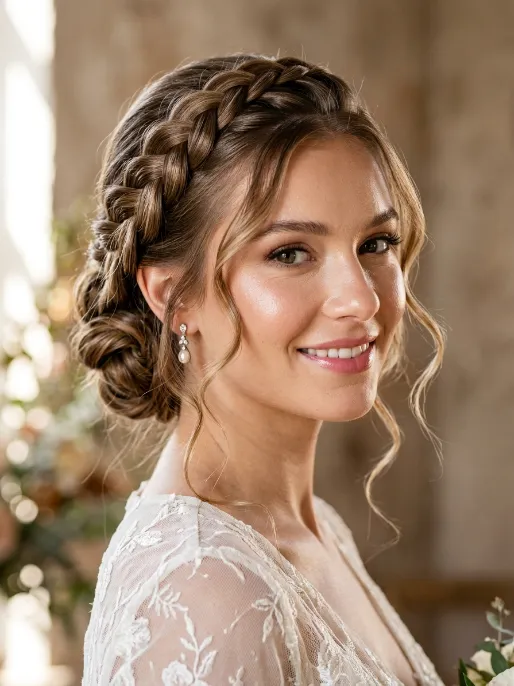
Leaving a couple of curled pieces around the face while the rest is braided softens the overall look for a romantic finish.
19. Textured Dutch Braid
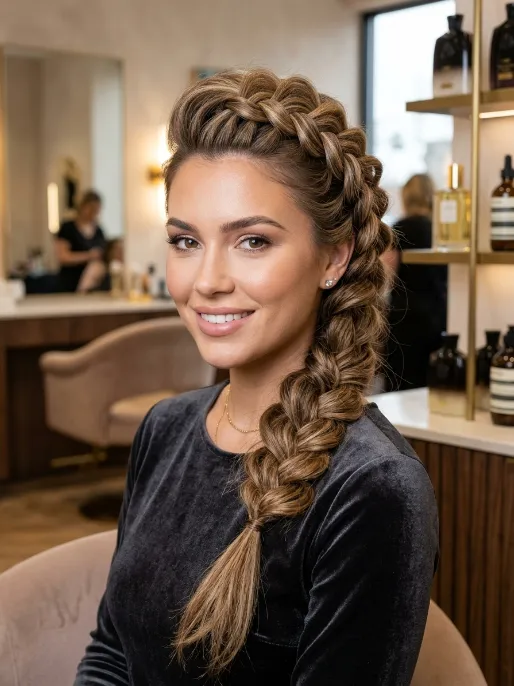
Backcombing gently at the crown before braiding adds volume, giving the raised braid even more dimension and presence.
20. Dutch Braid with Side Part
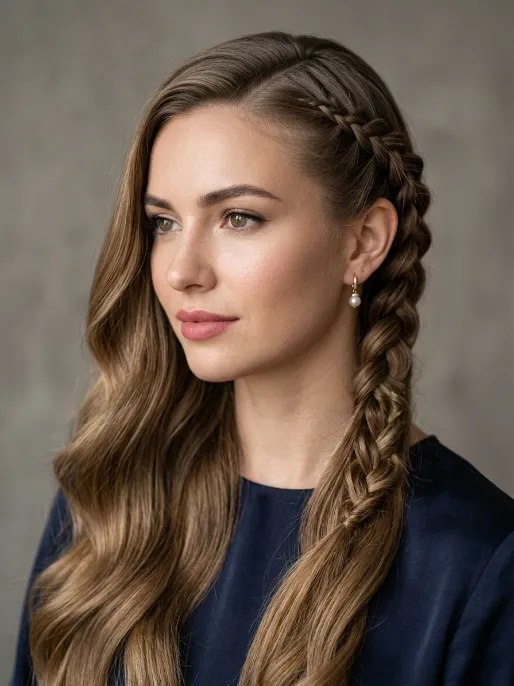
Starting the braid from a side part rather than the center changes the overall shape and adds a slightly asymmetrical feel.
21. Statement Dutch Braid with Accessories
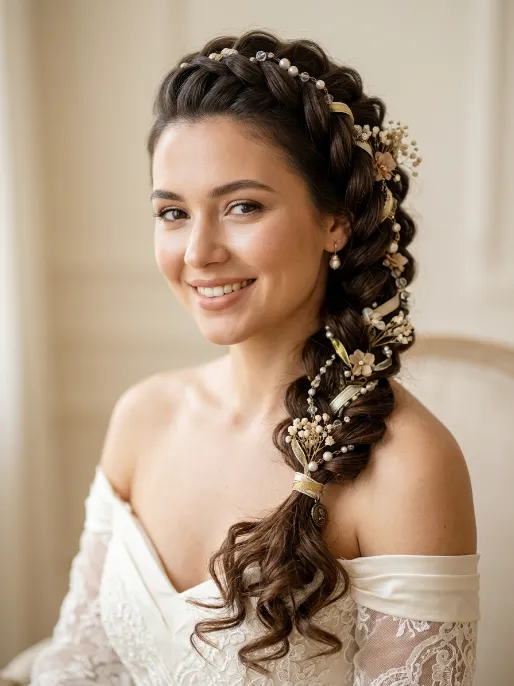
Combining beads, ribbon, and curled ends creates a fully styled, eye catching version perfect for weddings, festivals, or other special occasions.
Choosing the Right Dutch Braid for Your Day
For busy or active days, styles like double Dutch braids or a classic single braid hold up especially well through movement and stay neat for hours. For casual days, a loose boho version or half up style feels relaxed without needing much precision. For special occasions, styles like the Dutch braid crown or one finished with beads and ribbon add a level of detail that feels worth the extra time.
Common Mistakes to Avoid with Dutch Braids
Crossing sections over instead of underneath is the most common mistake, since this actually creates a French braid rather than the raised Dutch effect. Uneven tension throughout the braid can also make one side look tighter than the other, so try to stay consistent as you work your way down. Skipping detangling beforehand often leads to knots getting caught inside the braid, making the whole process more frustrating than it needs to be.
Frequently Asked Questions
What is the difference between a Dutch braid and a French braid? A Dutch braid crosses sections underneath each other, creating a raised effect, while a French braid crosses sections over each other, creating a flatter finish.
Is a Dutch braid harder to learn than a French braid? Not really. The technique is very similar, just with the direction of crossing reversed, so most people who know one can pick up the other fairly quickly.
Does a Dutch braid hold up well through physical activity? Yes, this style is especially popular for workouts and sports since the raised pattern tends to stay secure and neat through a lot of movement.
What hair type works best for Dutch braids? This style works well on nearly every hair type, though thicker or textured hair tends to show off the raised pattern especially beautifully.
Final Thoughts
The Dutch braid brings a bit more drama and dimension to a familiar braiding technique, and these 21 variations prove just how versatile it can be. From quick everyday options to detailed styles worth saving for special occasions, there is something here for every mood and skill level. Try a few of these looks, get comfortable with the underneath crossing technique, and you will likely find several new favorites worth adding to your regular hair routine.